


The Warehouse of 2030: 5 Trends Influencing Rack Design Today
Tomorrow’s Warehouses Are Already Taking Shape
The warehouse of 2030 may look dramatically different from the facilities many organizations operate today.
Industrial automation is accelerating. Labor challenges continue. Inventory expectations are increasing. And supply chains are becoming more complex than ever before. These trends are here now, but will only increase.
While it’s impossible to predict every change ahead, several trends are already reshaping how warehouses are designed—and how storage systems must evolve to support them.
Organizations making storage investments today should consider not only their current needs, but also where the industry is headed.
Here are five trends likely to influence warehouse rack design throughout the remainder of this decade.
1. Warehouse Automation Drives Specialized Rack Design
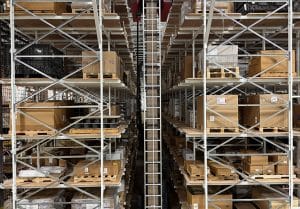
Industrial automation is no longer limited to early adopters.
As labor availability remains challenging and customer expectations continue to rise, more facilities are implementing:
- Automated Storage and Retreival Systems (AS/RS)
- Autonomous Mobile Robots (AMRs) and Automatic Guided Vehicles (AGVs)
- Shuttle systems and dynamic flow racks
- Robotic pallet handling
- Automated order fulfillment technologies
These systems demand storage structures capable of maintaining tighter tolerances and supporting specialized equipment.
Rack systems designed today should be evaluated for future automation compatibility—even if automation isn’t currently planned.
2. Designing Warehouse Racking for Taller Buildings
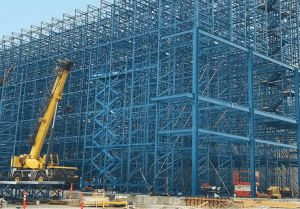
As land and construction costs increase, many organizations are looking upward instead of outward.
Warehouses exceeding 40 feet, 60 feet, and even 100 feet in height are becoming increasingly common.
Building taller facilities places greater engineering demands on your storage infrastructure, including:
- Structural strength
- Rack stability
- Load distribution
- Engineering precision
Future-ready storage systems must be capable of supporting greater heights without sacrificing performance.
3. Data-Driven Warehouses Require Adaptable Storage Systems
Warehouse operators are gaining access to more operational data than ever before.
Advanced Warehouse Management Systems (WMS) and modern analytics platforms can now identify:
- Inventory movement patterns
- SKU velocity
- Storage utilization
- Picking inefficiencies
- Capacity constraints
As data becomes more integrated into warehouse operations, storage systems will need to provide greater flexibility to accommodate evolving inventory strategies.
Rigid storage layouts may become less desirable than adaptable systems capable of changing with business needs.
4. Warehouse Racking Design Prioritizes Sustainability
Environmental goals are increasingly affecting capital investment decisions.
To meet sustainability goals, organizations are looking for ways to:
- Reduce building footprints
- Improve energy efficiency
- Extend equipment lifespan
- Minimize material waste
High-quality storage systems that provide decades of service can contribute to sustainability initiatives while reducing lifecycle costs.
Durability may become just as important as capacity.
5. Building Operational Resilience with Adaptable Storage Systems
Recent supply chain disruptions have highlighted the importance of operational resilience.
Future warehouse designs will increasingly focus on:
- Flexibility
- Scalability
- Redundancy
- Risk reduction
Storage systems must support changing inventory levels, shifting fulfillment strategies, and evolving customer requirements.
Facilities that can adapt quickly will be better positioned to navigate future uncertainty.
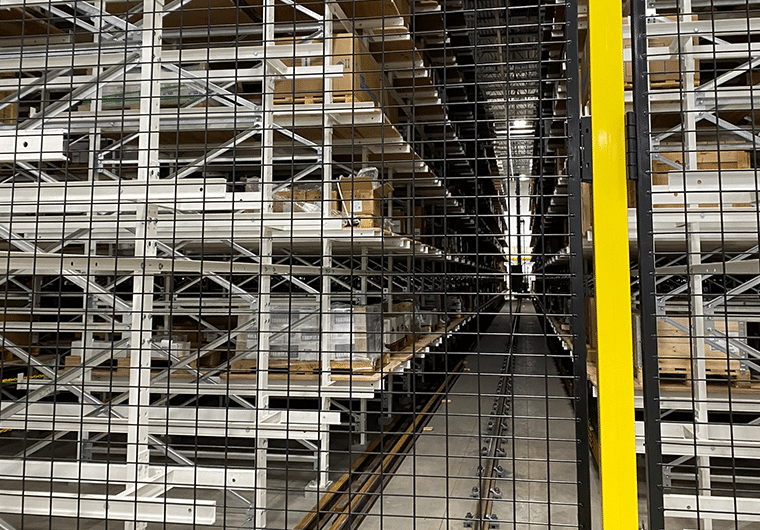
What This Means for Warehouse Rack Design Today
The common thread connecting all of these trends is flexibility.
Before committing capital to a new rack system or facility redesign, warehouse managers should ask whether their storage investments can support:
- Future automation
- Increased storage density
- Facility expansion
- Operational changes
- Long-term business growth
The most cost-effective rack system isn’t necessarily the least expensive option today. It’s the one that continues delivering value as business requirements evolve.
Building for the Future with Steel King
No one knows exactly what the warehouse of 2030 will look like.
But we do know that automation, data, density, sustainability, and resilience will play major roles in shaping tomorrow’s facilities.
At Steel King, we believe storage systems should be designed not only for current operations but for the opportunities and challenges that lie ahead. Because the best warehouse investments aren’t built for today—they’re built for what’s next.
We help customers evaluate both current and future needs to determine the storage strategy that delivers the greatest long-term value.
Contact a Steel King expert today to discuss your application and request a quote.
For more warehouse rack design insights and engineered storage solutions, visit the Steel King Resources Blog.
SOLUTIONS FOR EVERY INDUSTRY.
 Agriculture
 Automotive
 Construction Materials
 Cold Storage
 Ecommerce
 Food & Beverage
 Manufacturing
 Pharma
 Retail
 Wholesale/B2B
 3PL
3PLQuestions? Contact UsContact Us 