

10 Signs It’s Time to Update Your Warehouse Racking System
Why Upgrading Your Warehouse Racking System is a Long-Term Investment
There’s a reason a warehouse racking system is a long-term investment. A properly designed and maintained storage system can provide decades of reliable service. But as operations evolve, customer demands shift, and facilities expand, the racking system that was the perfect fit years ago may no longer be helping you maximize efficiency, throughput, or storage capacity.
The challenge is that many operations continue working around an outdated storage layout, rather than evaluating whether their racking is still aligned with their business goals.
If any of the following situations sound familiar, it may be time to consider updating your warehouse racking system.
Here’s a quick list, but keep reading below for more details about each of these 10 signs:
- Your current warehouse racking system layout causes operational bottlenecks.
- Floor storage is creeping into your aisles.
- Your SKU profiles or pallet sizes have changed.
- You are introducing AMRs, AGVs, or AS/RS automation.
- You have updated your forklift fleet (e.g., narrow-aisle trucks).
- Structural warehouse rack damage is a recurring safety issue.
- Improved operator safety allows for lighter roll-formed rack alternatives.
- You need advanced column and end-of-aisle rack protection.
- Your system no longer meets local seismic or fire compliance codes.
- You are planning a warehouse relocation or expansion.
Signs Your Warehouse Racking Layout Needs a Redesign
1. Your Business Has Outgrown Its Original Layout
Many facilities were designed around the operational requirements of a previous era. Product lines expand, SKU counts increase, inventory levels fluctuate, and order fulfillment expectations change.
If your operation has grown significantly since your racking was originally installed, your current layout may no longer support your storage needs efficiently. A facility expansion or increase in inventory volume often creates an opportunity to reevaluate storage strategies and maximize available cubic space.
Rather than simply adding more rows of the same racking, a redesign may unlock significantly more capacity within your existing footprint.
2. You’re Running Out of Storage Space
When floor storage begins creeping into aisles or staging areas become permanent storage locations, it’s usually a sign that your storage system is no longer keeping pace with inventory requirements.
Converting from selective pallet rack to higher-density warehous racking solutions such as pushback rack, pallet flow, or drive-in rack can dramatically increase storage capacity while reducing the amount of aisle space required.
The result is often better utilization of existing square footage and a stronger return on your warehouse investment.
3. Your SKU Profile Has Changed
The products you store today may look very different from what you stored when the facility was originally designed.
Changes in pallet sizes, weights, product dimensions, inventory velocity and throughput, or SKU counts, can all impact the effectiveness of your storage system.
If your current rack configuration creates empty space, inefficient slotting, or accessibility challenges, it may be time to redesign your system around your current inventory profile—not the one you had ten years ago.
4.  You’re Investing in Automation
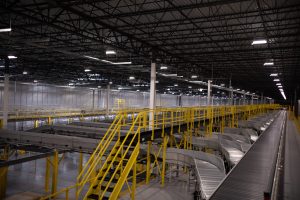
Automation technologies continue to reshape warehouse operations. Autonomous mobile robots (AMRs), automated guided vehicles (AGVs), shuttle systems, and automated storage and retrieval systems (AS/RS) often require different rack configurations than traditional manual operations.
If automation is part of your future strategy, your racking should support those initiatives rather than become a constraint.
A rack upgrade completed during an automation project can help ensure both systems work together efficiently for years to come.
5.  Your Forklift Fleet Has Changed
Many warehouse facilities upgrade their material handling equipment over time without evaluating how those changes affect their existing warehouse racking layout.
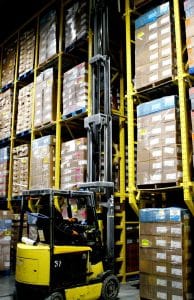
Narrow-aisle trucks, reach trucks, turret trucks, and higher-capacity forklifts all have unique operational requirements that can influence aisle widths, beam elevations, and rack protection needs.
If your lift equipment has evolved, your racking system should be reviewed to ensure it’s optimized for current operations.
Signs Your Warehouse Rack is Compromised
6. Rack Damage Has Become a Recurring Issue
Occasional rack damage is inevitable in busy warehouse environments. But if repairs have become routine, it’s worth asking whether the issue extends beyond operator performance.
Persistent damage may indicate that the rack system is not ideally suited for the operation. Tight clearances, narrow aisles, poor visibility, or insufficient protection can all contribute to ongoing impacts.
A redesign may reduce damage frequency while improving productivity and safety.
7. Operator Performance Has Improved
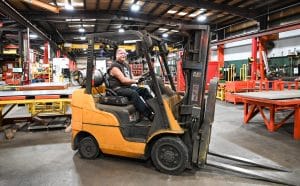
Interestingly, improved operator performance can also create an opportunity to upgrade your racking.
Many facilities originally invest in heavy-duty structural rack because of concerns about impact resistance. Over time, investments in operator training, improved fleet management, or advanced lift technologies may significantly reduce damage incidents.
If your operation has demonstrated a long-term reduction in rack impacts, replacing aging structural systems with modern roll-formed rack may provide cost savings while maintaining operational requirements.
This can be an ideal time to optimize layouts, increase storage density, and modernize the facility.
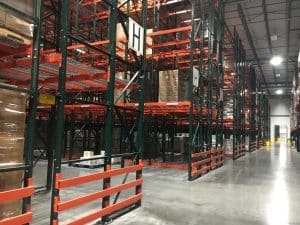 8. You Want Better Rack Protection
If your existing system has suffered years of impacts, repairs, and maintenance costs, upgrading may provide an opportunity to incorporate modern protective features.
Today’s rack designs can include:
- Reinforced column designs
- Increased column core thickness
- Structural frame protection
- Integrated impact-resistant components
- Column guards and end-of-aisle protection
- Specialized rack protection systems
These safety enhancements can improve system longevity and reduce maintenance costs without sacrificing valuable pallet positions.
 9. Compliance Standards Have Changed
Warehouse safety requirements continue to evolve. Changes in local building codes, seismic requirements, fire protection systems, or rack inspection practices may impact older installations.
Even if your rack system remains operational, it may not meet current design standards or best practices.
Periodic evaluations by qualified rack professionals can identify opportunities to improve safety, compliance, and overall system performance.
10. You’re Planning a Facility Expansion or Relocation
Few opportunities provide a better time to reevaluate racking than a facility expansion, consolidation, or relocation.
Rather than moving an existing layout into a new space, organizations can use the transition to optimize storage density, improve product flow, reduce travel distances, and better align the facility with long-term growth objectives.
A well-planned rack redesign can often deliver operational improvements that continue generating value long after the move is complete.
Don’t Just Replace Warehouse Racking—Optimize It
When rack components become damaged or reach the end of their useful life, many operations focus solely on replacement. But replacement projects often present a larger opportunity.
A storage system review can identify ways to:
- Increase storage capacity
- Improve inventory accessibility
- Reduce travel time
- Enhance safety
- Minimize rack damage
- Support automation initiatives
- Improve overall warehouse efficiency
The best racking system isn’t necessarily the one you’ve always had—it’s the one that best supports your operation today and where your business is headed tomorrow.
Whether you’re dealing with growth, changing inventory requirements, automation plans, or ongoing maintenance concerns, updating your racking system may be one of the most impactful investments you can make in your warehouse’s future performance.
Ready to Evaluate Your Warehouse Racking System?
If your operation is experiencing any of these challenges, a professional rack assessment can help identify opportunities to improve capacity, efficiency, and safety. The right combination of rack design, layout optimization, and protective features can often unlock significant gains without requiring additional building space.
Working with an experienced rack manufacturer that can understand and evaluate whether your racking is still aligned with your business goals is a partner that can tackle your warehouse rack design. Request a quote from Steel King today.
SOLUTIONS FOR EVERY INDUSTRY.
 Agriculture
 Automotive
 Construction Materials
 Cold Storage
 Ecommerce
 Food & Beverage
 Manufacturing
 Pharma
 Retail
 Wholesale/B2B
 3PL
3PLQuestions? Contact UsContact Us 